Change
These groups meet in Science Center 402 (northwest corner), 10:00 am Tuesday
Emeline Beck, Valerie, and Derek
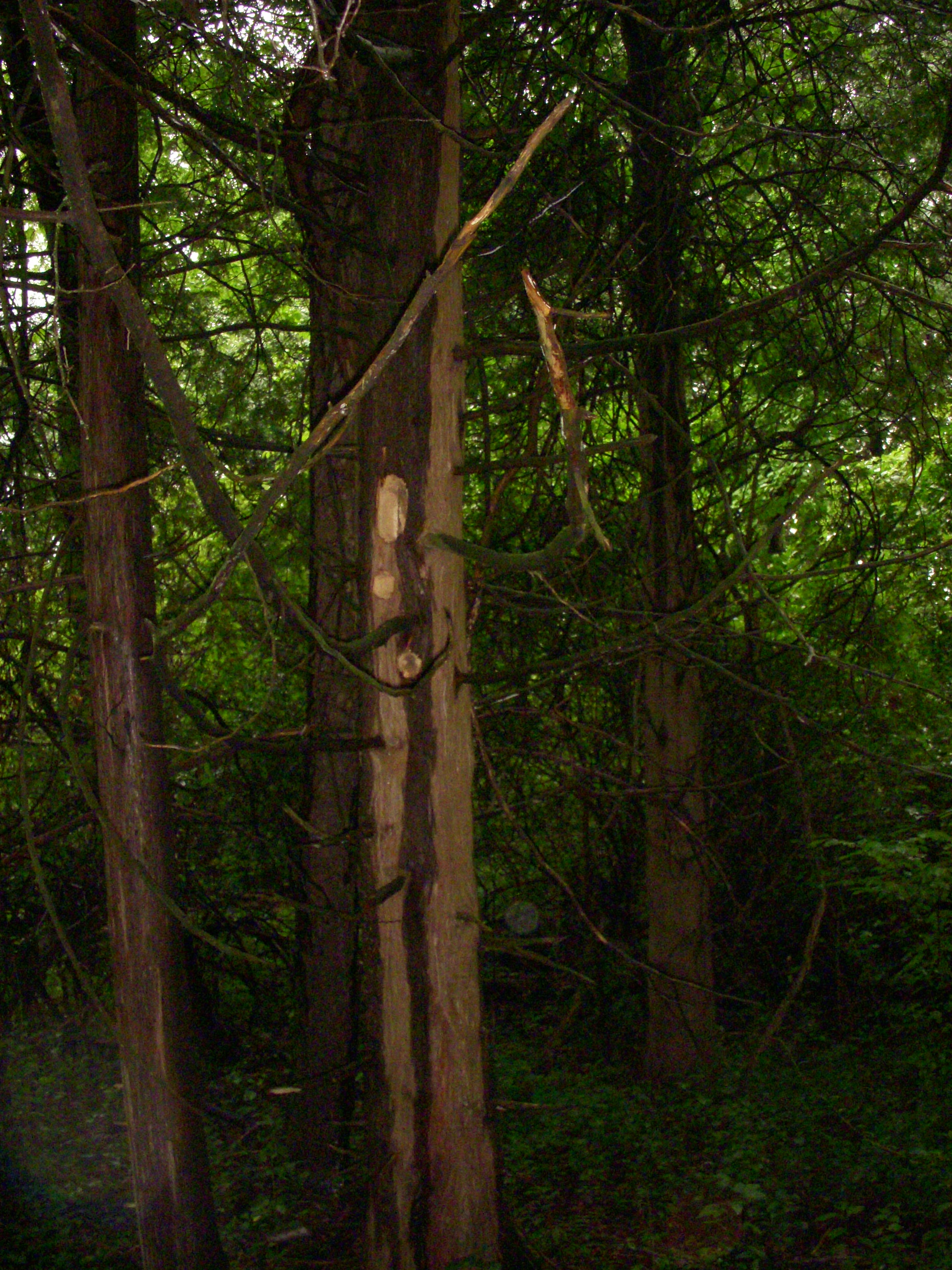
This tree was once whole, but because of a woodpecker's need to survive, it utilized and changed the tree.
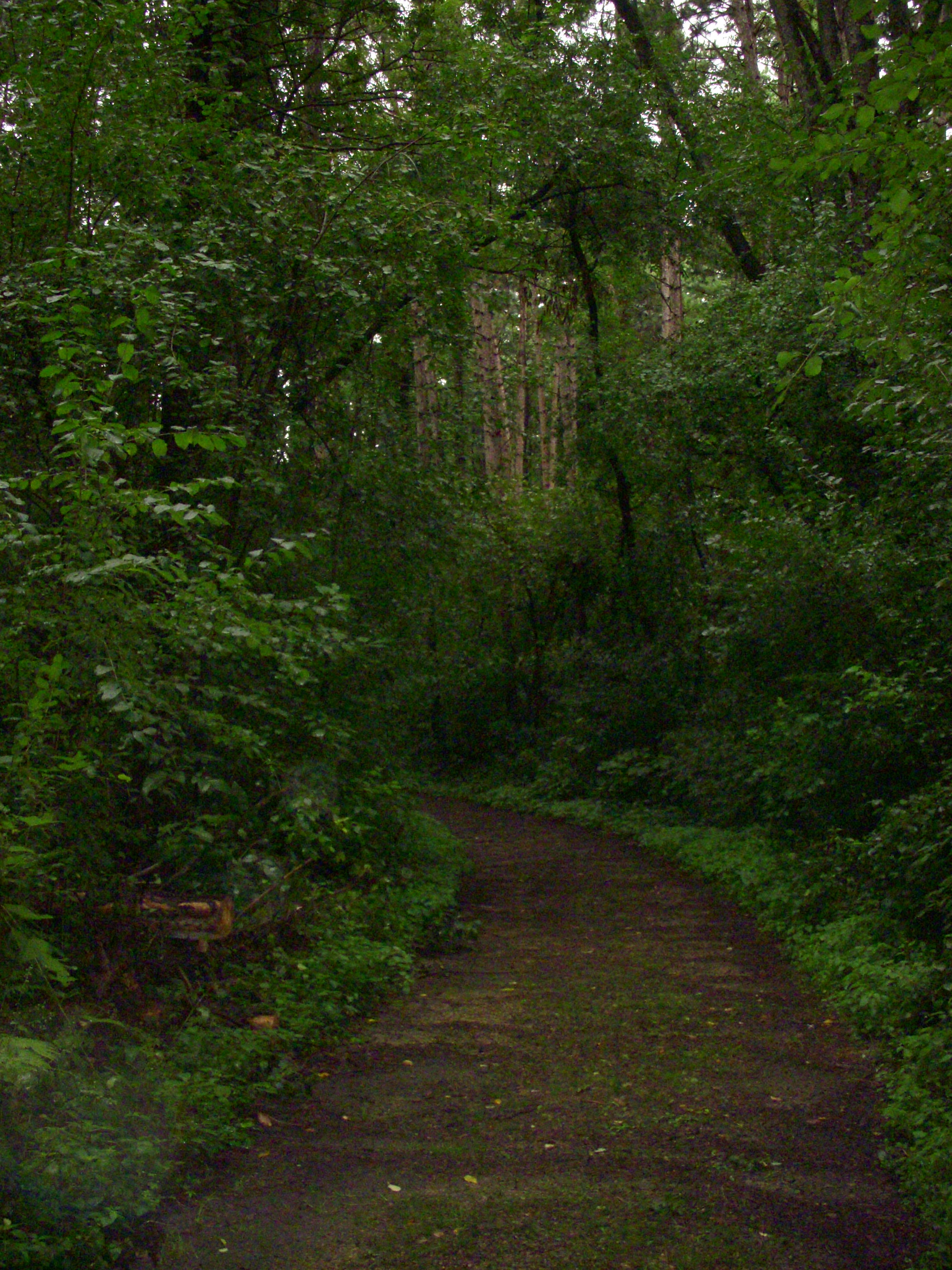
This path changes the natural environment because it allows for humans to interfere and change the natural order of things.
Joe, Cody and Matt
Rebirth: recreation of life
All Season: fall, winter, and spring
Ross Wiegman
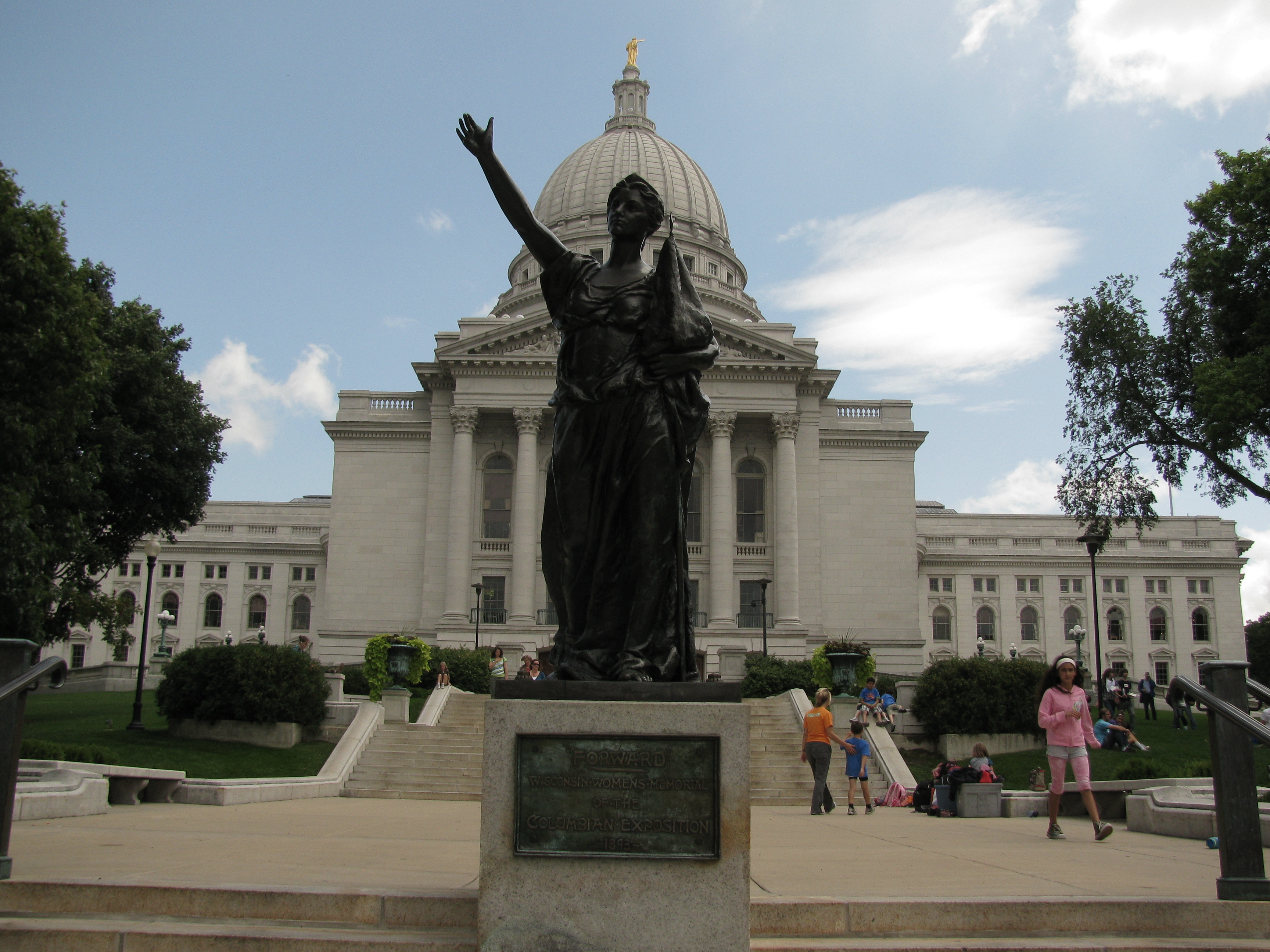
The first photo was taken outside the capital. The capital represents a group of people that come together to produce changes in the outside world. The reactions of the citizins on the outside influence the changes made by those on the inside.
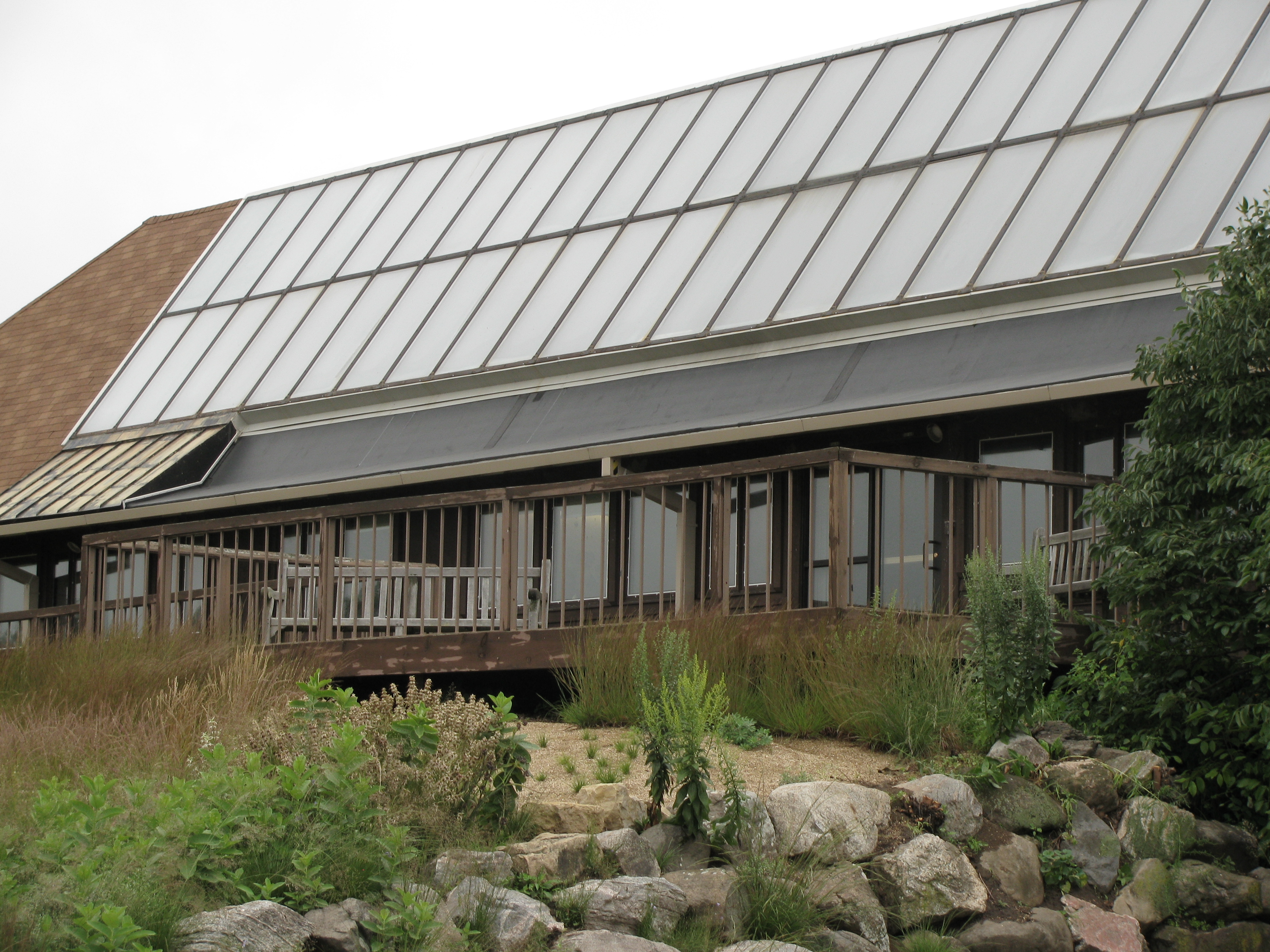
The second image is of the Visitor Center of the Arboritum. Outside of the building are various plants, and the wood from trees is used to create such buildings. this demonstrates the vast power humans have in changing their own environment.
Mike Crumrine, Mahmudur and Keston
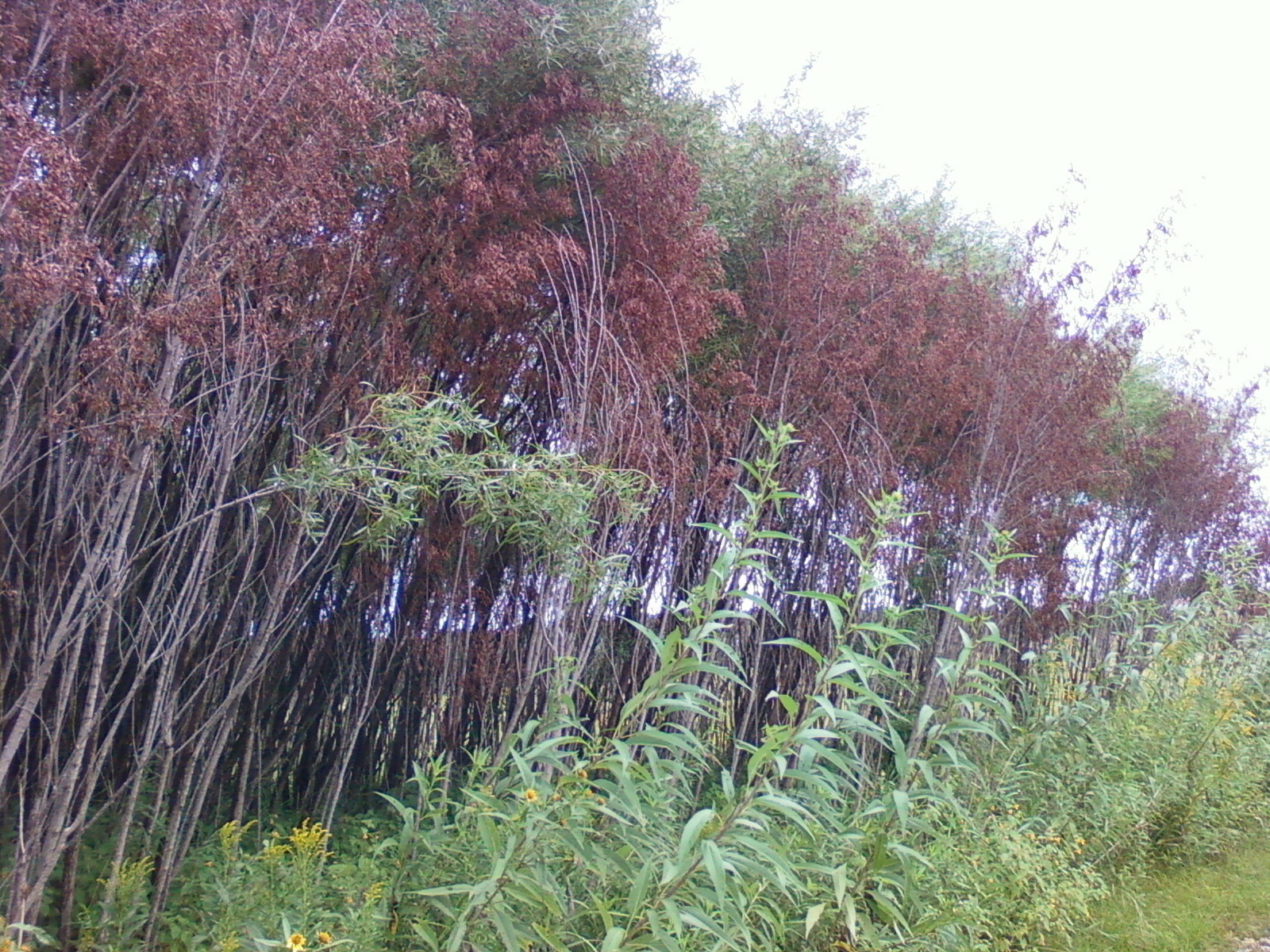
A change in the seasons.
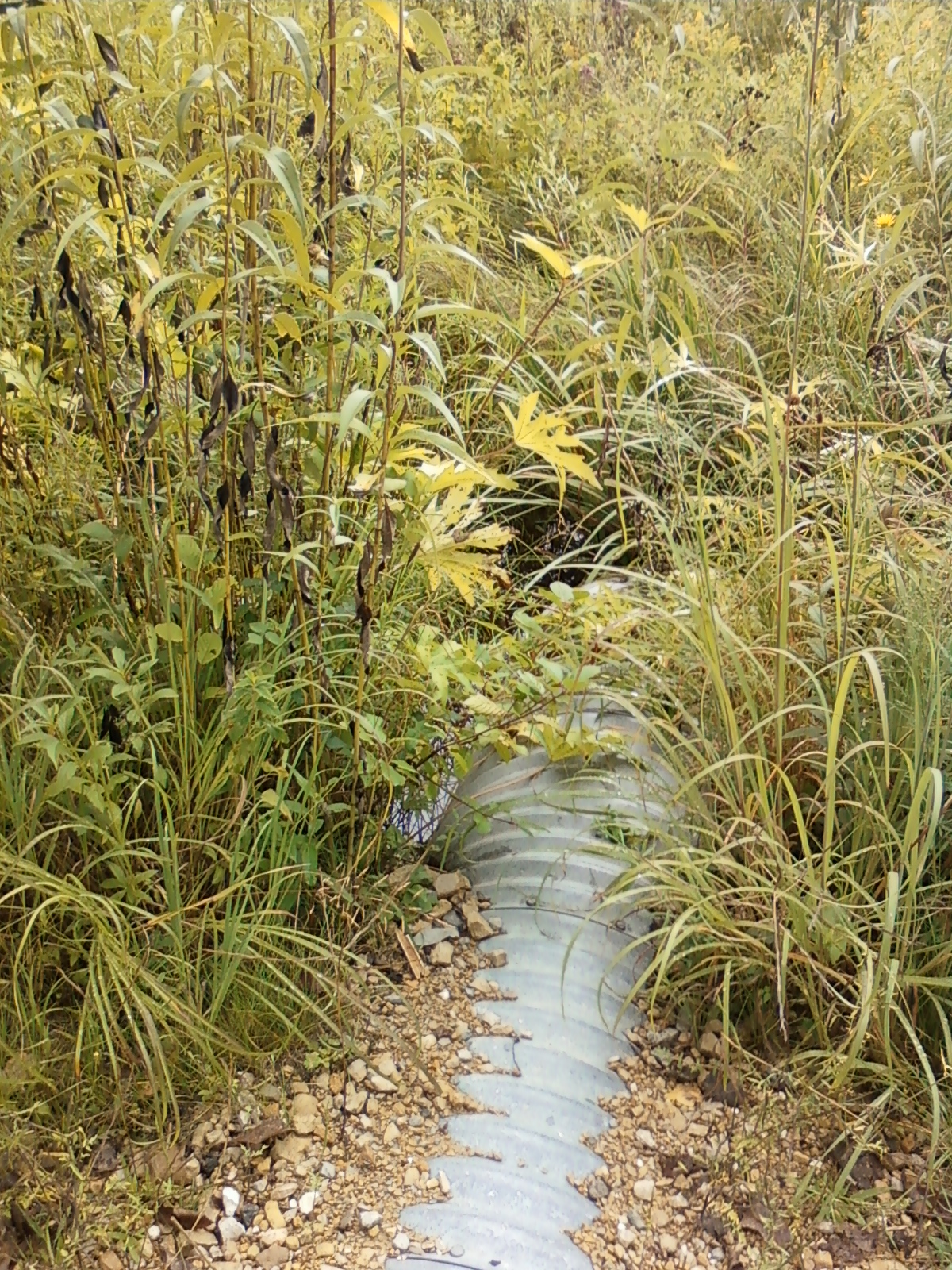
From natural to artificial.
Stephen Heinz, Eddie Folk, Mike Kreiser
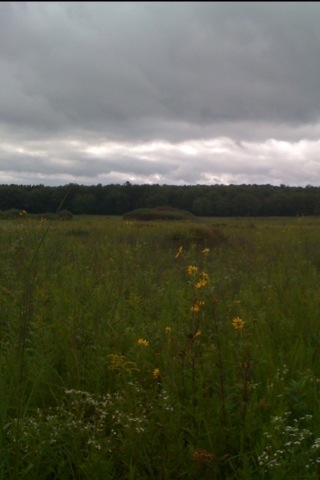
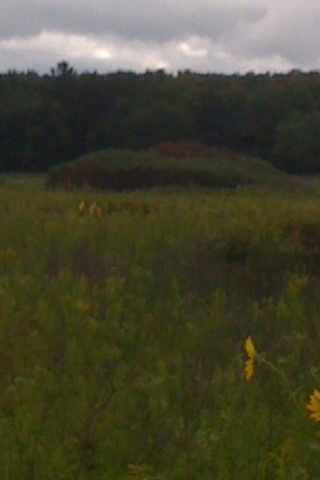
We do not know what this is, but there is a clump of foliage rising from the rest of the ground.
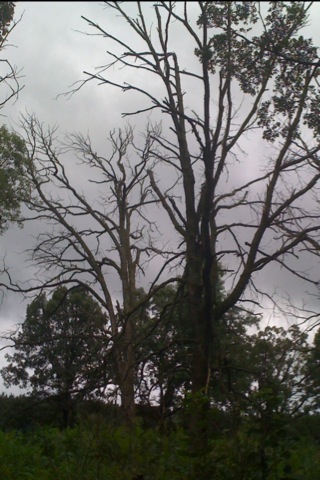
We took this picture of these trees because in comparision to the other plant life around them, they seem dead in a sense. We're just not actually sure if the trees are actually dead.
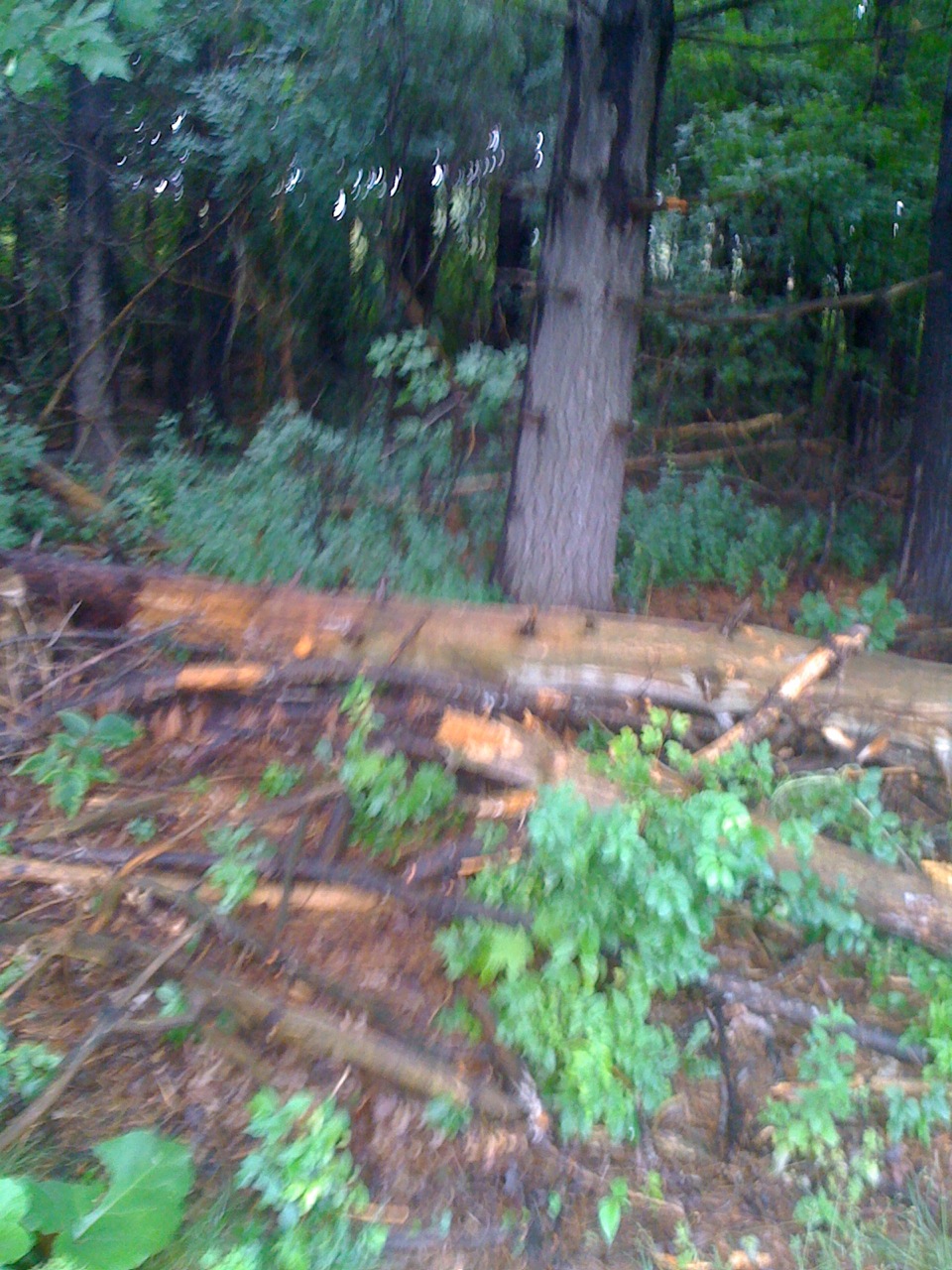
More tree damage, we do not know whether it is from a storm or from humans.
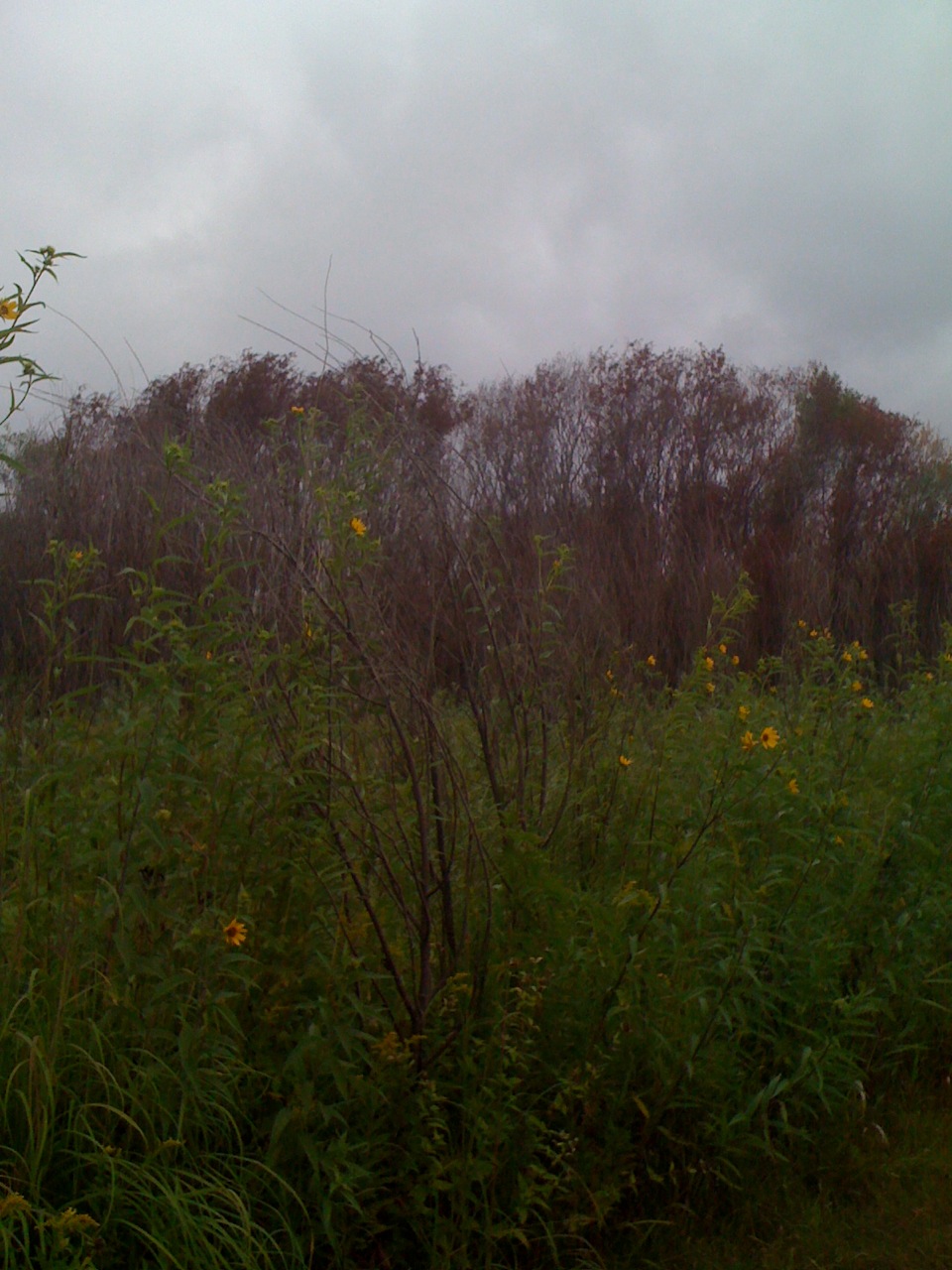
A noticeable variation in plant life. Is it natural?
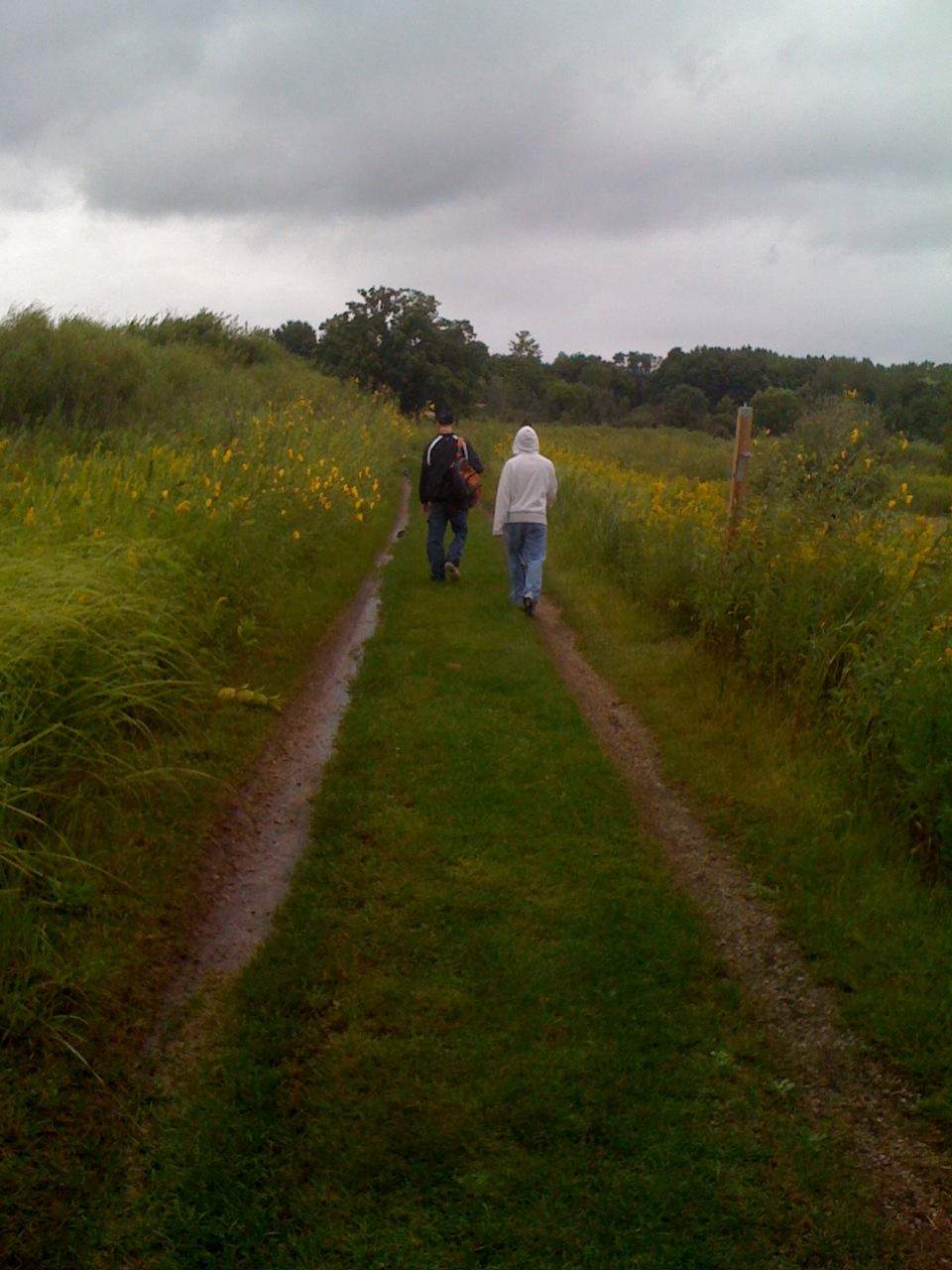
Mike and Eddie walking along a man made trail. We know it is man made because of the wheel grooves that were made from the same vehicle passing by numerous times.
These groups meet in Campbell Hall (first floor), Kemper Lab, 10:00 am Tuesday
Kristin Browning Masterson, Madeline Horwath, and Justine Ringberg
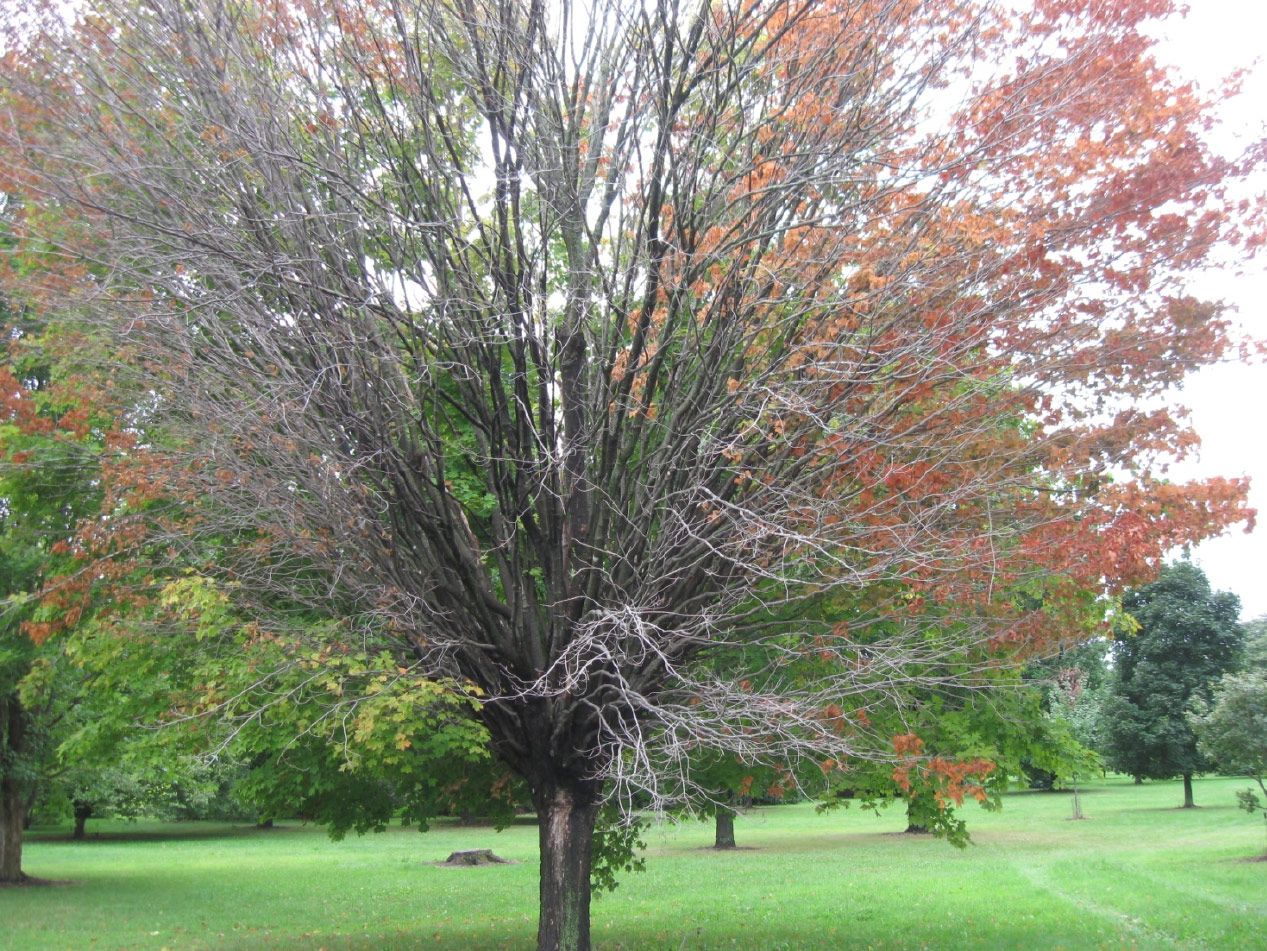
The leaves of this tree are red and green on different parts and the branches are bare on the rest of it.
The difference in the state of the leaves remind us of the changes in seasons when the leaves are in different stages.
Green in the Spring and Summer, Red in the Fall, and missing in the Winter.
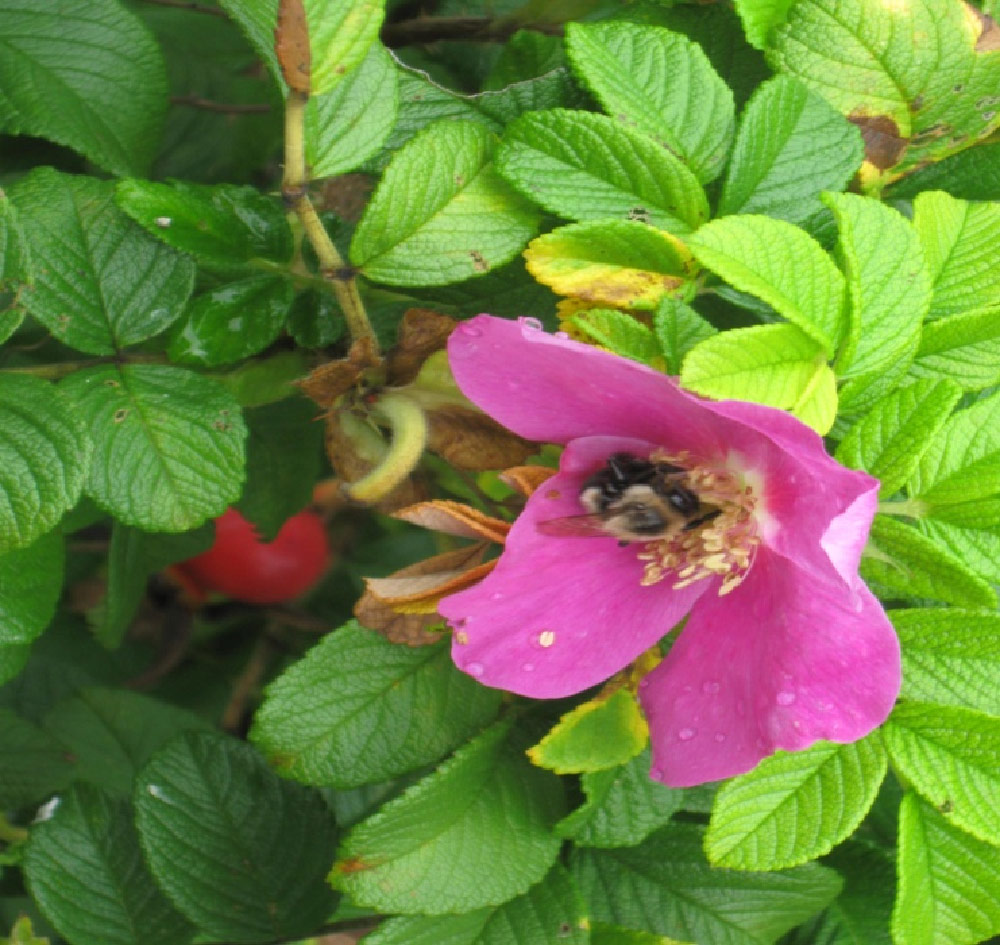
This picture symbolizes the change that has happened and that is to come. The flower started out as a seed, grew, blossomed
and with the bees help, its pollen will spread and create the next generation of life.
Ozgun Kilic
New generation, old values.
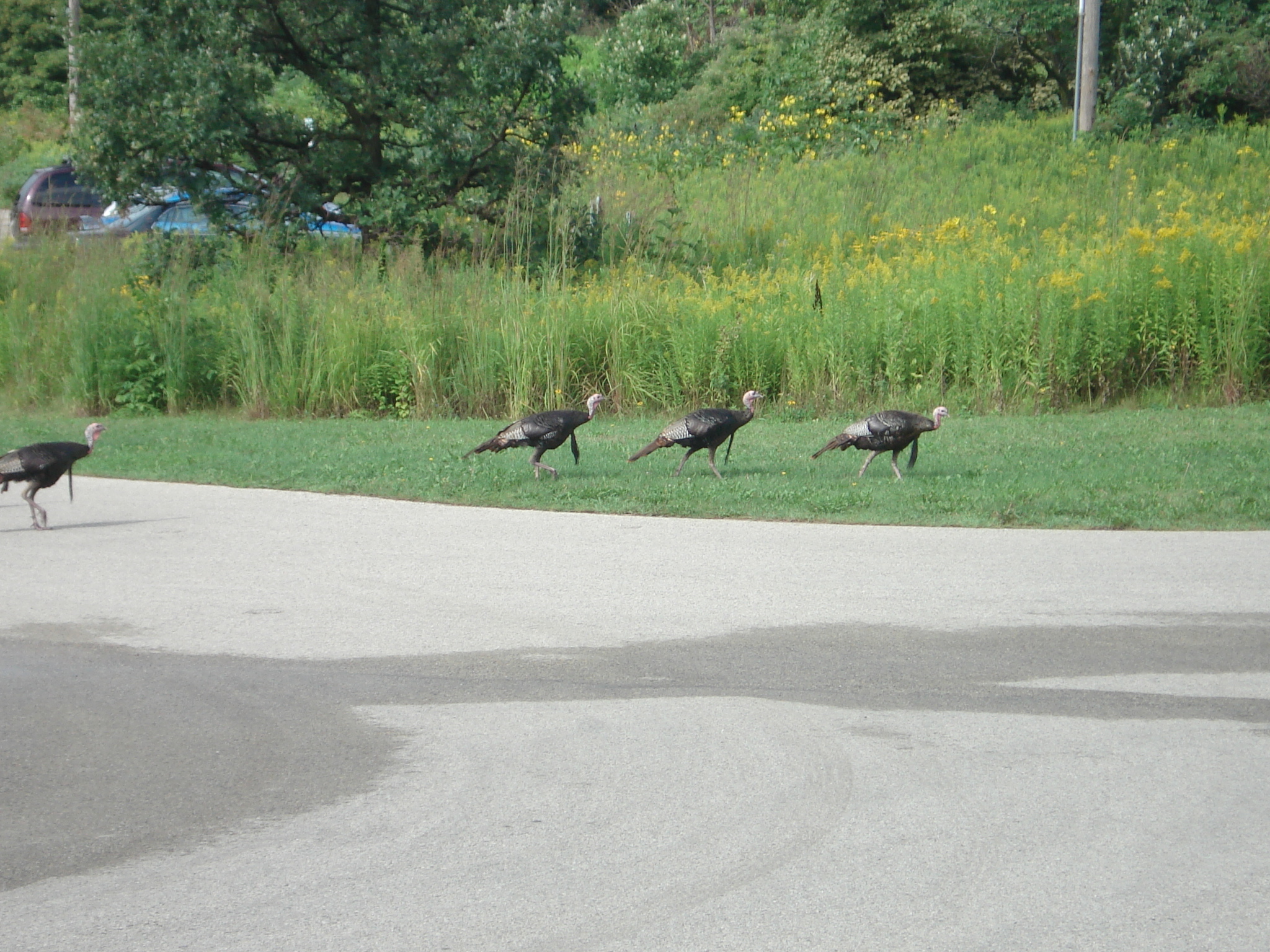
Today's dinosaurs
Andrea, Jackson, Karla
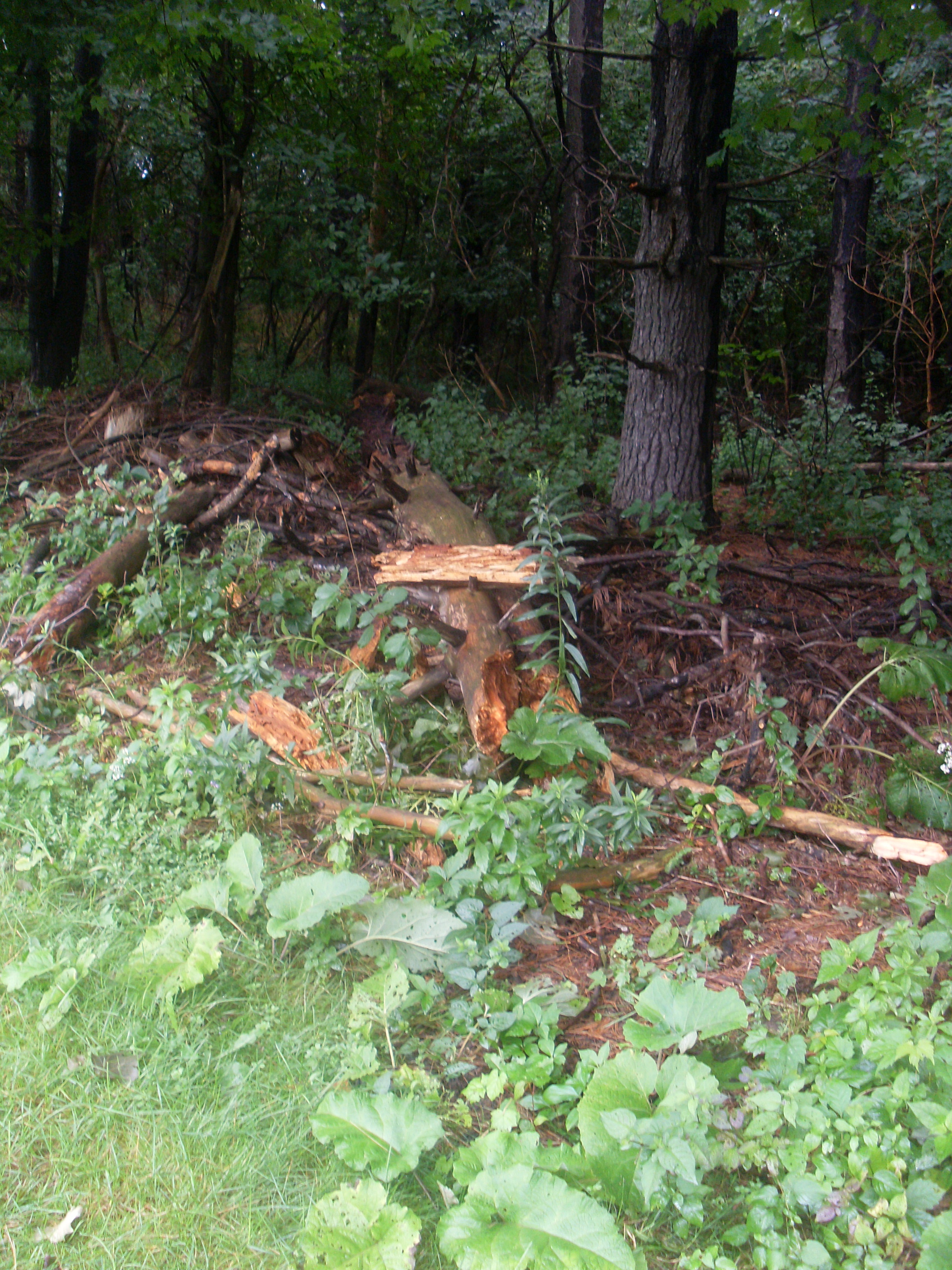
The tree is slowly decomposing; the bark shows considerable change in color, shape, and size.
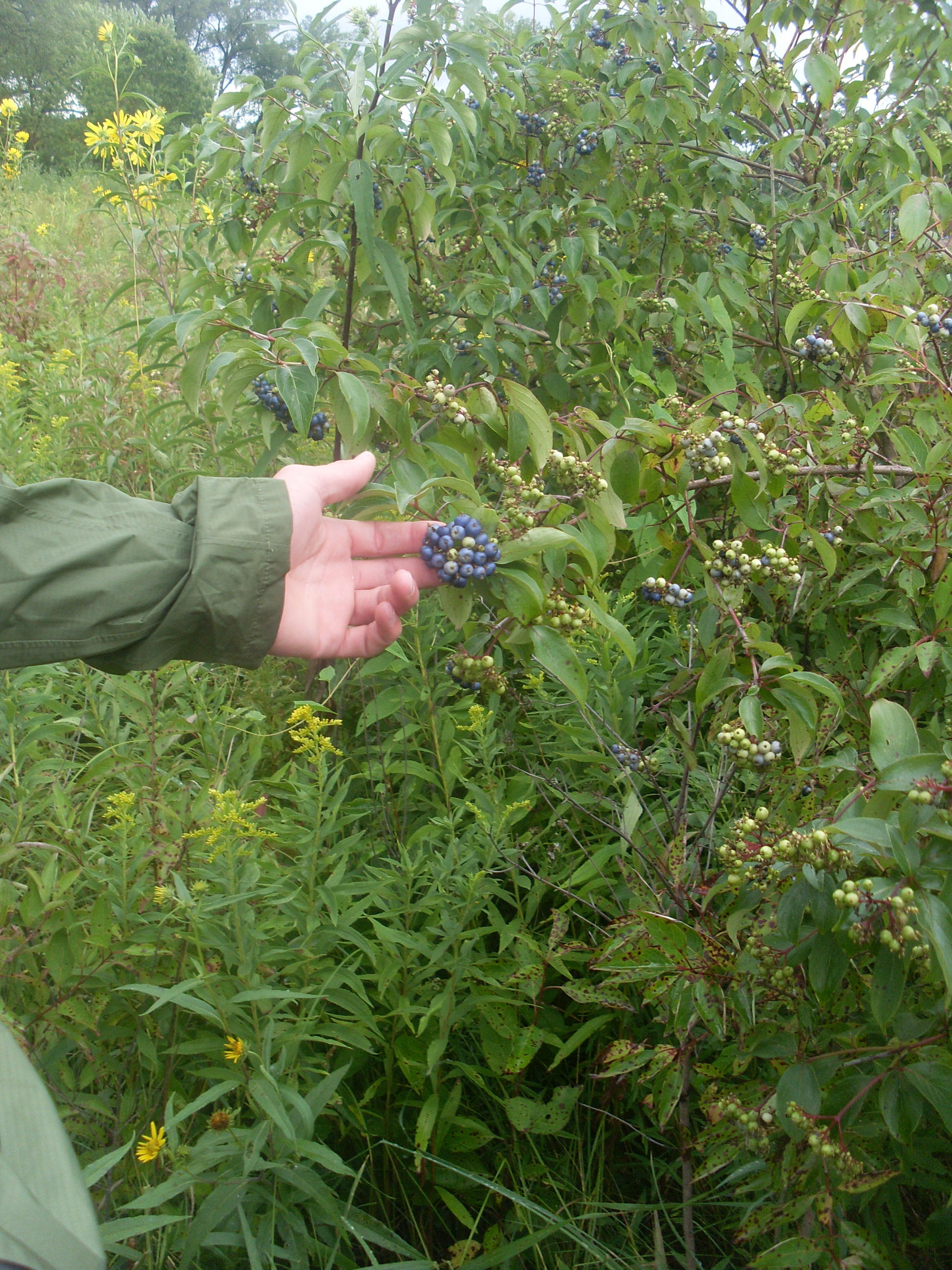
The flowers are making progressive changes in size and color. Here we see some younger flowers still blossoming as oppose to the more developed ones.
Weston Anderson, Christopher Nakamoto, Frank Yang, Qianwen Ruan
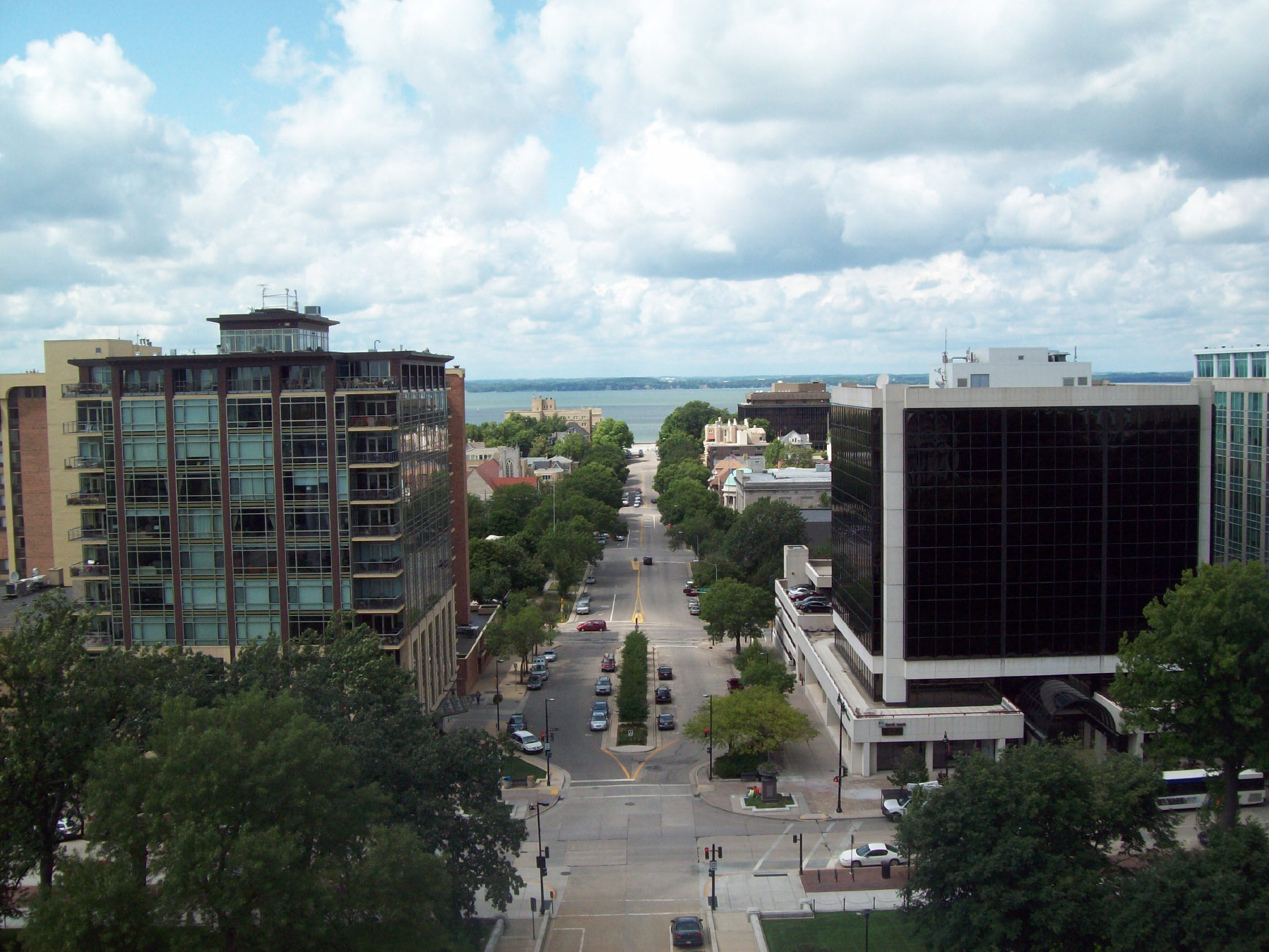
This photograph of Madison, taken atop the capital building, represents significant political, economic, cultural and topographic change.
(i.e. Tribal to colonial to democratic, bread basket to dairy land, traditional native American culture to western culture, and the shift from the cityscape to the open water.)
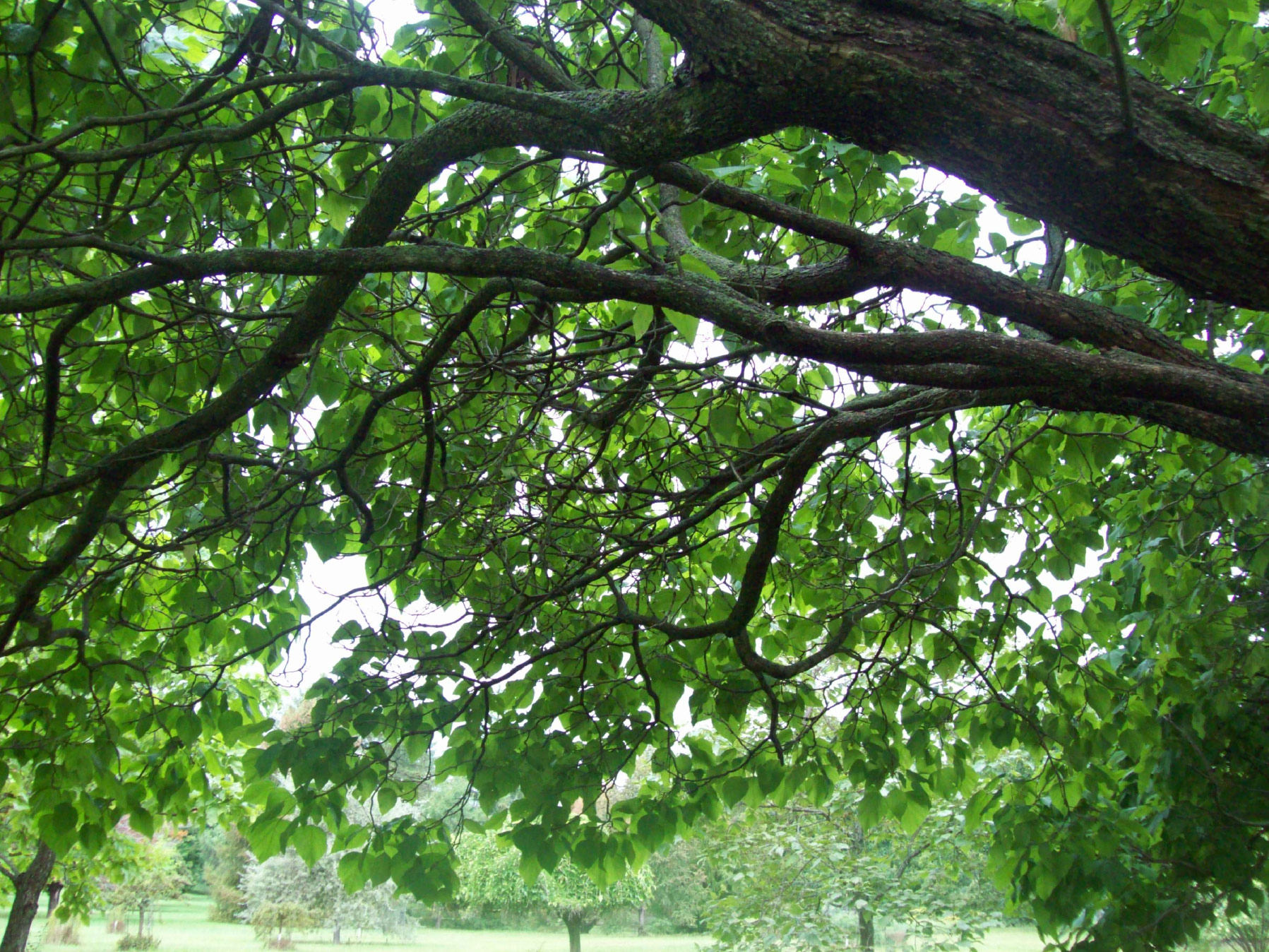
This particular Southern Catalpa tree was planted as a Memorial to Tony Blade. It raises issues of life and death, memory, and philosophy, as well as ecological and industrial changes in the past century.
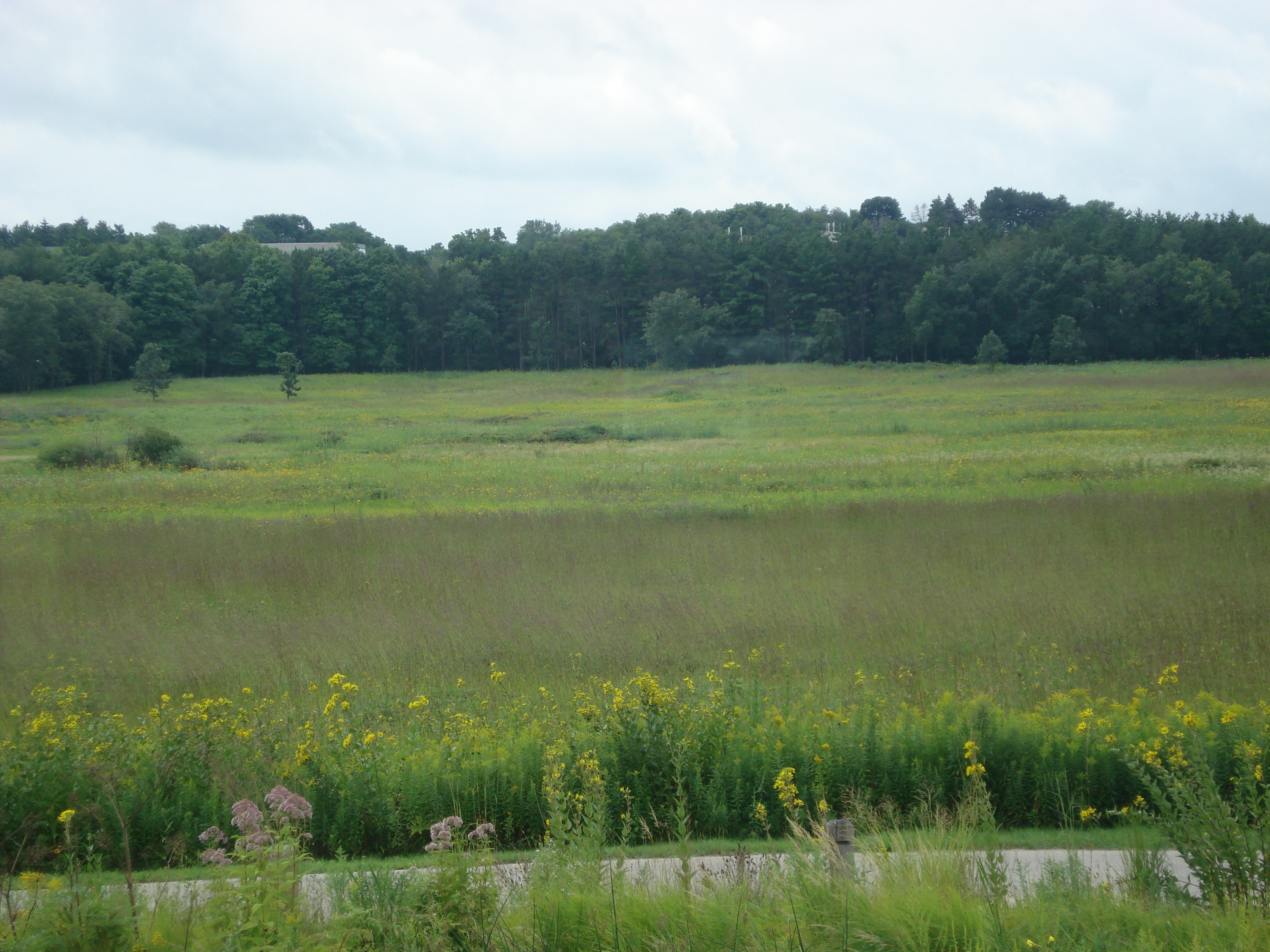
The first picture is about the Arboretum, which I took in front of the window. UW Arboretum is the birthplace of ecological restoration with over 75 years' history.
I like the air there, really fresh and offers a kind of relaxation when staying away from busy life. Besides, the UW Arboretum, especially the energy-friendly creations, just gives me a satisfactory feeling that tells people not to stick into "money" at the cost of destroying the environment.
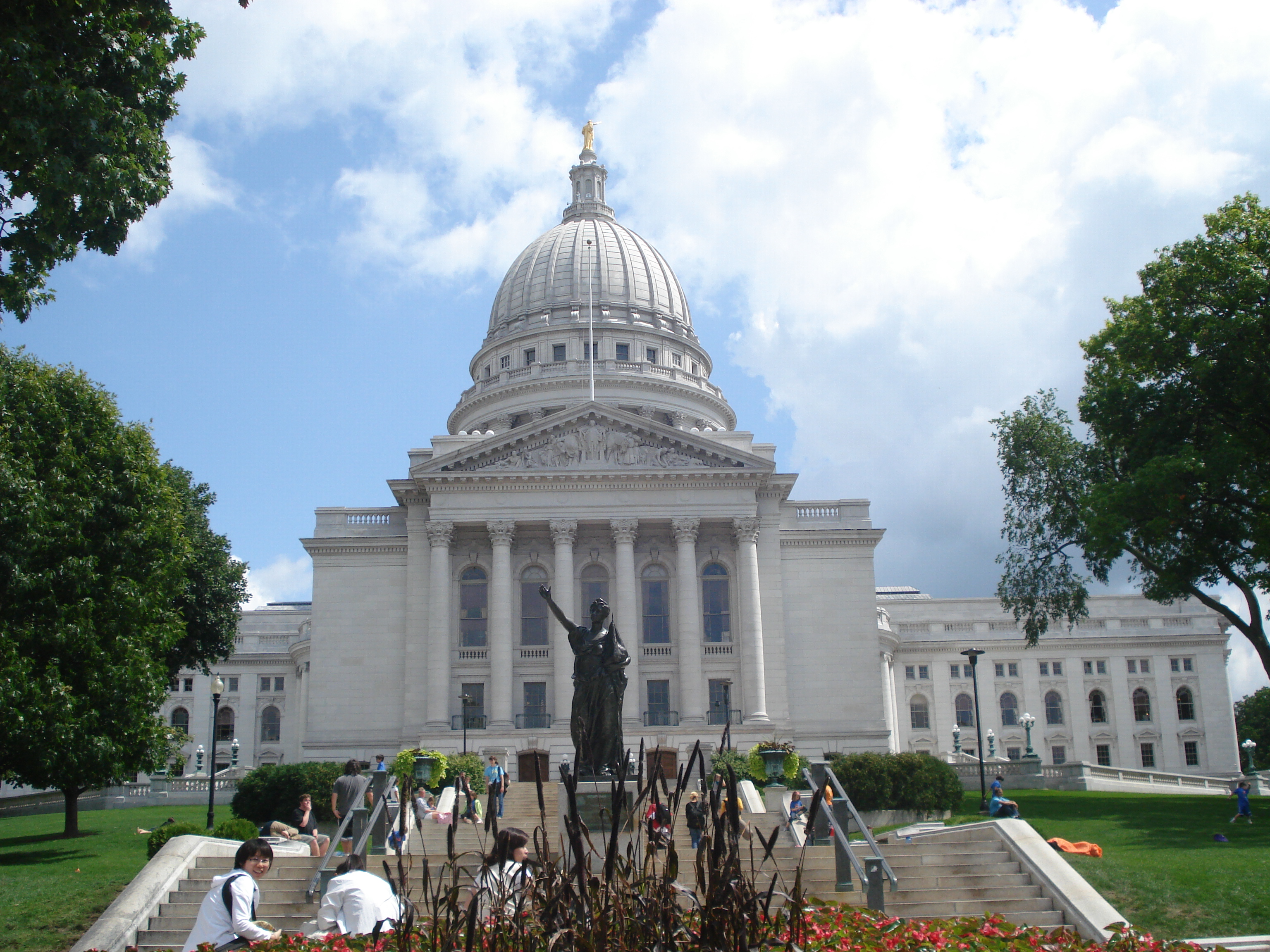

The other two are pictures of Wisconsin State Capitol. It was built in 1838 and was maximized in 1863. However, it was totally destroyed in a fatal fire. George B. Post and Sons designed this Capitol, which we see today,
with 7.25 million between 1906 and 1917. It is like a luminous lighthouse standing between Lake Monona and Lake Mendota. The decoration of the Capitol is so fascinating, and it is the only one that gets a granite dome in America.
Additional photos for discussion by all groups
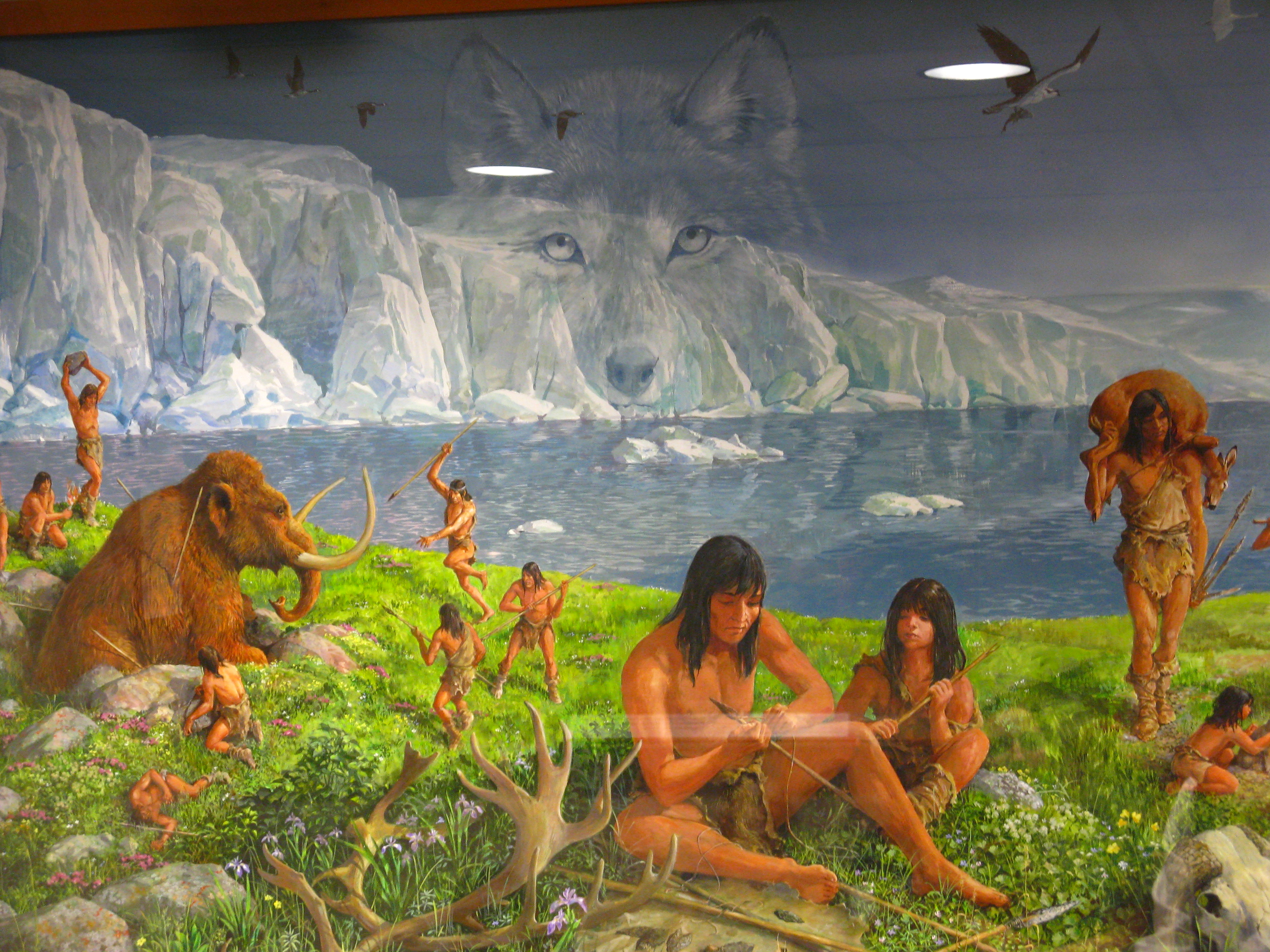
Exhibit: A series of murals trace the relationship between people and the land in and around the Arboretum from the time the last glaciers receeded 10,000 years ago.
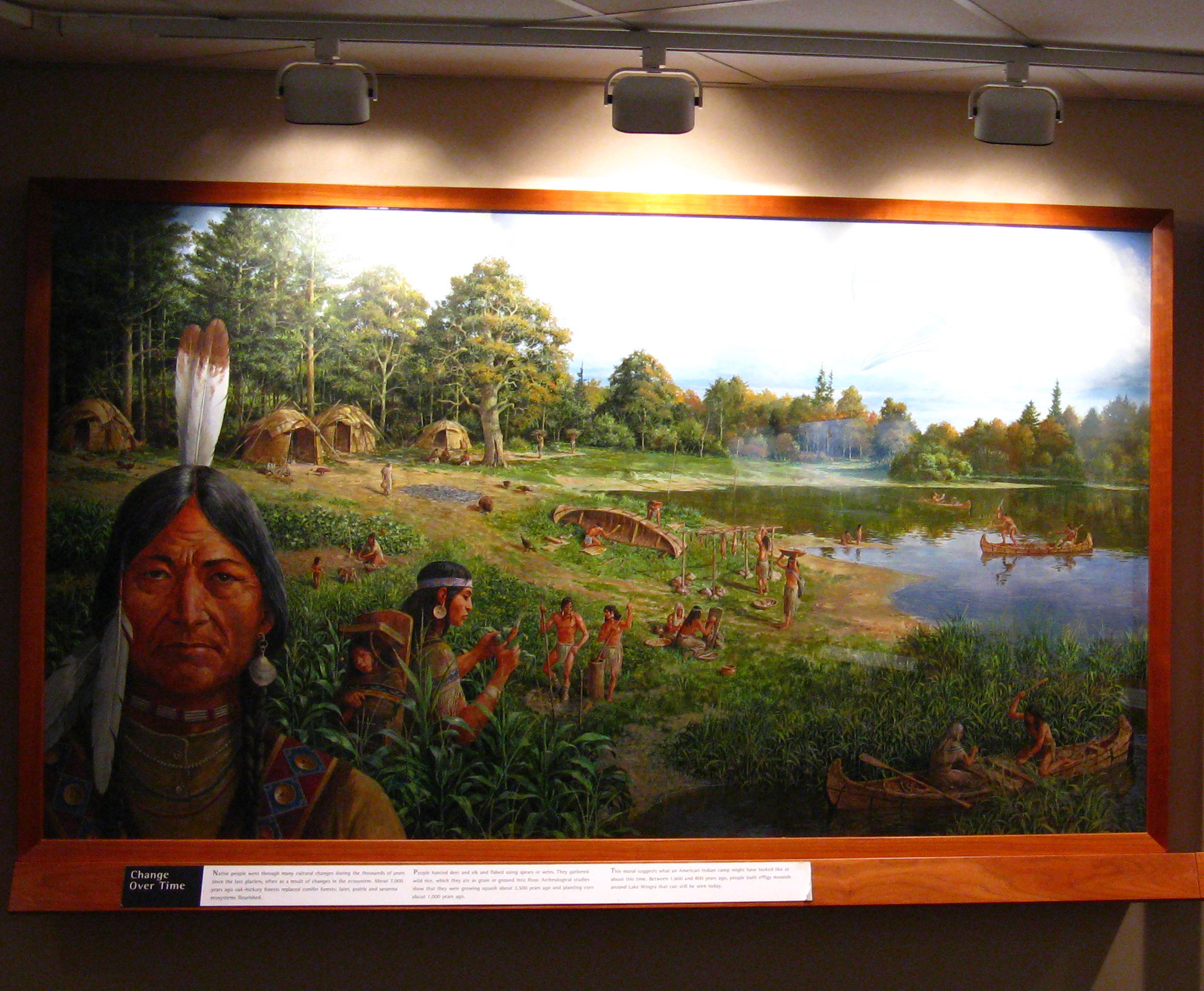
Change Over Time. Native people went through many cultural changes during the thousands of years since the last glaciers, often as a result of changes in the ecosystem...
This mural suggests what an American Indian camp might have looked like.
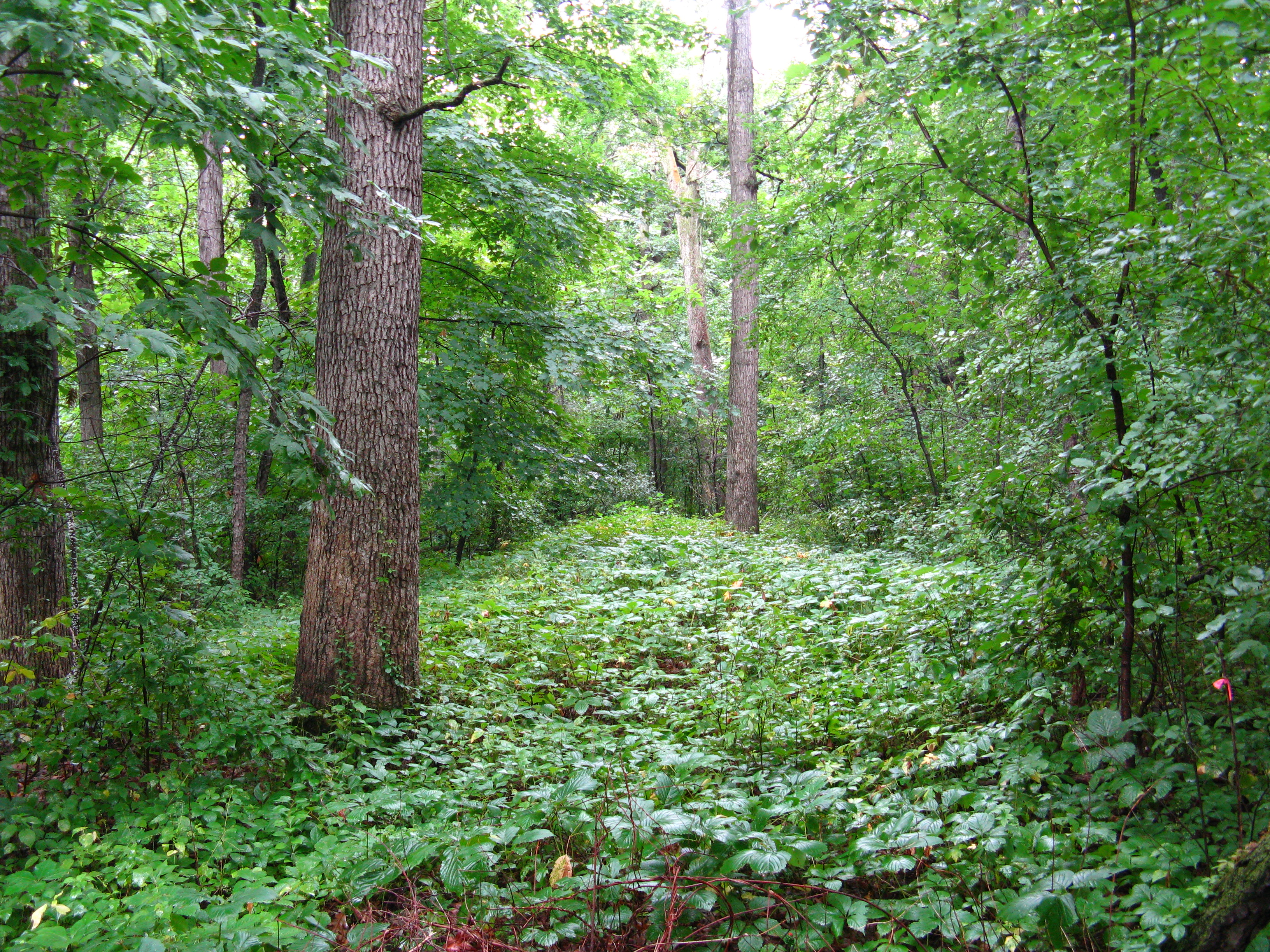
Between 1,600 and 800 years ago, people built effigy mounds around Lake Wingra that can still be seen today.
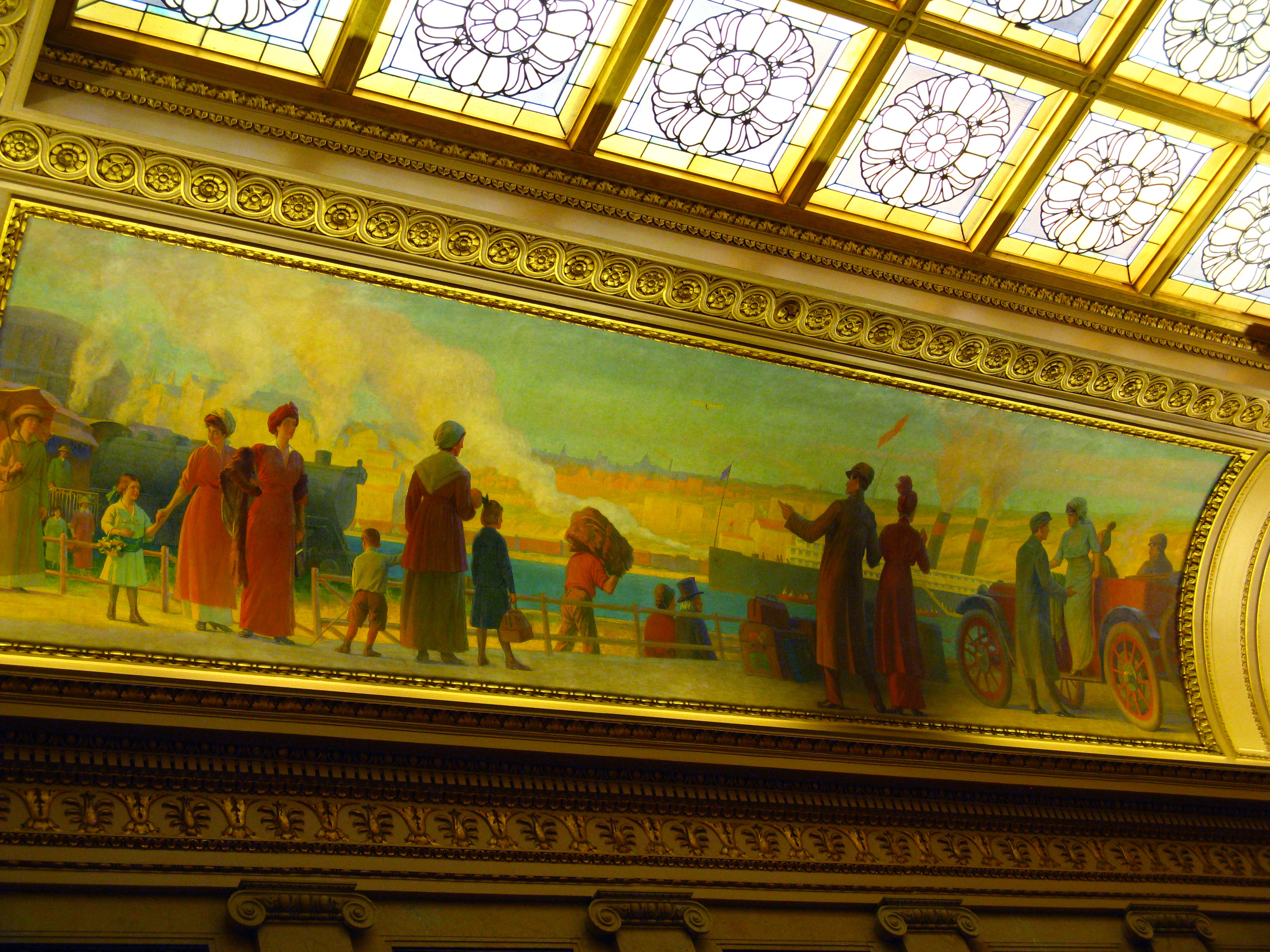
Mural in the Wisconsin Capitol showing modern transportation.

An ammonite that once lived in the open water of ancient seas but now is part of the Wisconsin Capitol.
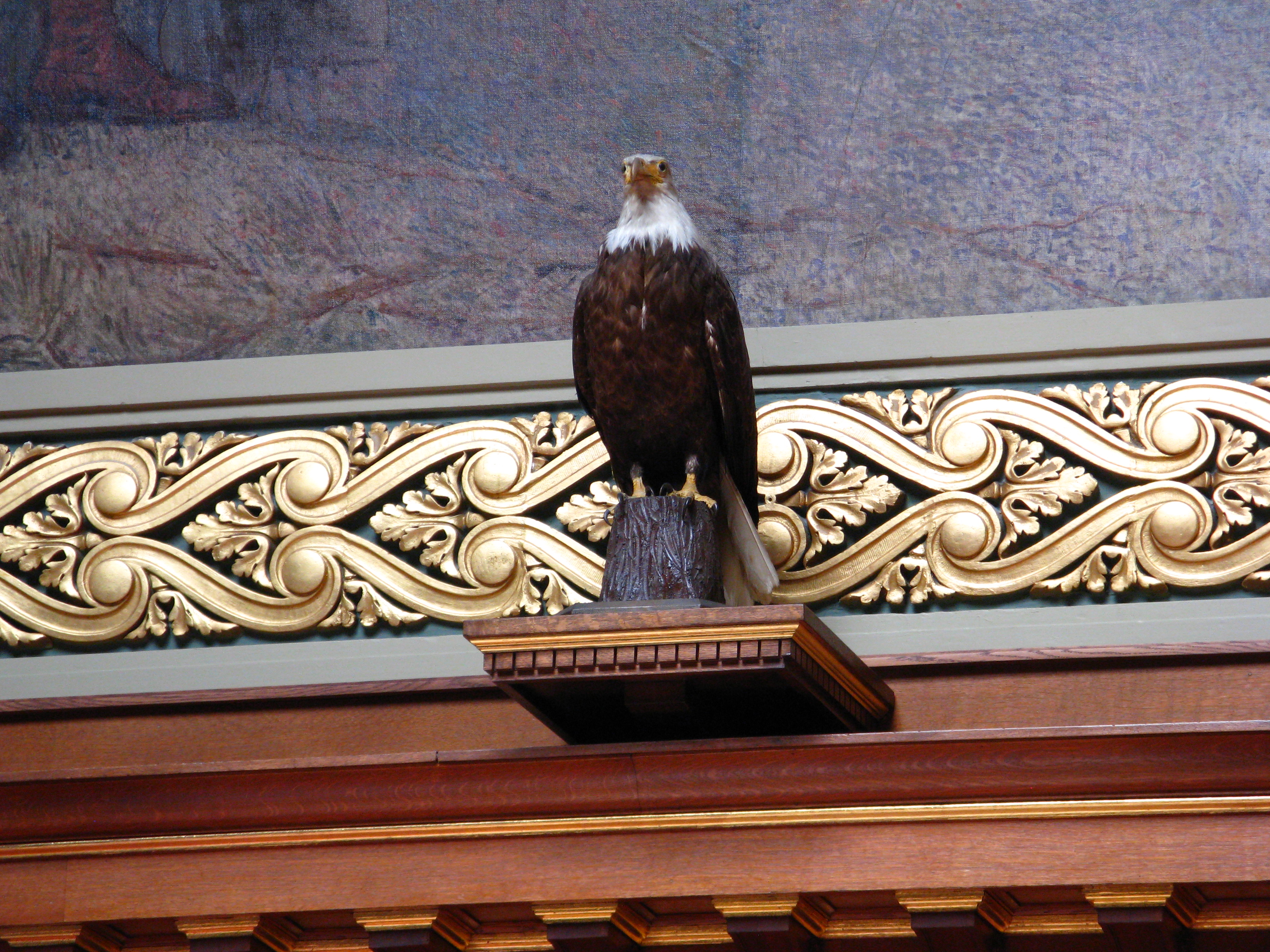
Old Abe, Civil War Veteran.
Beloit College, last modified 8/26/09